
 0
Celebrate the flavors of Thanksgiving without feeling like you have to sacrifice your favorite foods.
Thanksgiving is about gathering around the table, enjoying family traditions, and sharing delicious food. But enjoying a holiday meal doesn't mean everything needs to be loaded with added sugar. With a few simple ingredient swaps and thoughtful cooking techniques, you can create a flavorful Thanksgiving menu that balances sweetness, nutrition, and tradition.
Here are three easy ways to prepare a Thanksgiving meal with less added sugar—without relying on specialty diet foods or giving up dessert!
1. Rethink your cranberry sauce: Try monk fruit instead of regular sugar
Traditional cranberry sauce often contains a surprising amount of added sugar. Although cranberries naturally have a tart flavor, you don't need as much sugar as many traditional recipes call for.
One simple alternative is monk fruit sweetener.
Monk fruit is a plant-derived, low-calorie sweetener that provides sweetness without the same sugar contribution as regular table sugar. Many grocery stores carry granulated monk fruit blends that can be used in recipes.
The key is to check the package directions. Some products are designed as a 1:1 sugar replacement, while concentrated pure monk fruit extract requires much smaller amounts.
Easy Low-Added-Sugar Monk Fruit Cranberry Sauce
Ingredients
- 12 ounces fresh or frozen cranberries
- ½ cup water
- ¼ cup orange juice (100% juice, no added sugar)
- ¼ cup granulated monk fruit sweetener (adjust according to product sweetness)
- 1 teaspoon orange zest
- ½ teaspoon cinnamon
- ¼ teaspoon vanilla extract
- Optional: A pinch of nutmeg
Directions
- Rinse cranberries and remove any damaged berries.
- Combine water, orange juice, monk fruit sweetener, cinnamon, and orange zest in a medium saucepan.
- Bring the mixture to a gentle simmer over medium heat.
- Add cranberries and cook for approximately 10–15 minutes, stirring occasionally, until the berries burst and the sauce begins to thicken.
- Remove from heat and stir in vanilla.
- Allow the sauce to cool. It will thicken further as it rests.
- Taste and adjust sweetness if needed.
Why this works: Cranberries naturally contain flavor and tartness, while orange juice and zest provide a little natural sweetness and brightness. Monk fruit helps reduce the need for traditional added sugar.
Kitchen tip: If using a monk fruit product blended with erythritol or another sweetener, check the ingredient label and adjust the quantity to your taste.
2. Choose desserts that naturally need less added sugar
Thanksgiving dessert doesn't have to mean choosing between a traditional dessert and something labeled as a diet food.
Instead of purchasing specialty low-sugar or diet desserts, consider recipes that use naturally sweet ingredients, seasonal fruit, and traditional baking techniques.
Here are three delicious ideas:
- Baked cinnamon apples: Core apples, sprinkle with cinnamon, add chopped pecans, and bake until tender. A small drizzle of maple syrup is optional.
- Pumpkin custard: Prepare a traditional pumpkin custard using pumpkin puree, eggs, evaporated milk, cinnamon, ginger, and less sugar than a typical pumpkin pie filling. Serve without a crust or with a small portion of your favorite pie crust.
- Apple cranberry crisp: Combine sliced apples and fresh cranberries with cinnamon and a modest amount of brown sugar. Top with oats, chopped walnuts, and a little butter before baking.
These desserts focus on fruit, spices, and familiar ingredients rather than artificial-tasting substitutes.
Remember: Less added sugar doesn't mean eliminating all sweetness. The goal is to enjoy dessert while being intentional about how much added sugar goes into the recipe.
3. Build flavor with herbs, spices, and naturally flavorful ingredients
Sugar isn't the only way to make Thanksgiving food taste delicious!
Many traditional holiday side dishes can be prepared with less added sugar by using ingredients that naturally enhance flavor.
Try these simple swaps:
- Sweet potatoes: Roast with cinnamon, nutmeg, olive oil, and chopped pecans instead of covering them with marshmallows and brown sugar.
- Roasted vegetables: Add fresh rosemary, thyme, garlic, and a little olive oil to Brussels sprouts, carrots, and squash.
- Homemade dressings: Use olive oil, apple cider vinegar, Dijon mustard, and fresh herbs instead of sweetened bottled dressings.
- Glazed carrots: Use a little orange juice, cinnamon, and butter rather than a heavy brown sugar glaze.
These small adjustments can reduce added sugar while preserving the comforting flavors that make Thanksgiving special.
A Thanksgiving reminder: Don't skip meals to save room!
One of the most common holiday habits is skipping breakfast or lunch because we know a large Thanksgiving dinner is coming. It may seem like a good strategy to save calories or make room for the big meal, but restricting food earlier in the day isn't necessarily helpful.
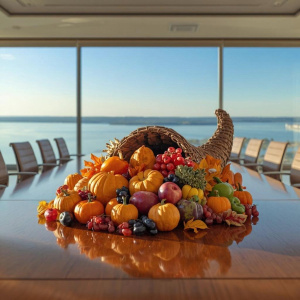
Eating regular meals throughout the day is a more practical strategy than arriving at Thanksgiving dinner extremely hungry.
Consider this:
- Enjoy a balanced breakfast with protein, fiber, and whole grains.
- Have lunch as you normally would, even if dinner will be larger than usual.
- If you become hungry before dinner, enjoy a snack.
- At Thanksgiving dinner, take time to enjoy your food, choose the dishes you love, and pay attention to your hunger and fullness cues.
What does the research say?
Research on meal skipping provides some interesting findings:
A 2020 study published in Public Health Nutrition by Zeballos and Todd examined dietary intake patterns among 23,488 U.S. adults using national dietary survey data.
Researchers found that:
- Adults who skipped breakfast consumed more energy at lunch.
- Adults who skipped both breakfast and lunch consumed approximately 783 additional kilojoules (187 calories) at dinner compared with days when they ate those earlier meals.
- Skipping meals was also associated with lower overall diet quality.
Interestingly, the study found that participants did not completely compensate for skipped meals later in the day, meaning their total daily energy intake was still lower. However, eating patterns and diet quality were affected.
A separate 2013 experimental study by Levitsky and Pacanowski examined the effects of skipping breakfast on subsequent food intake. Results varied between experiments, demonstrating that skipping a meal does not consistently produce predictable changes in later eating behavior.
What does this mean for Thanksgiving?
There isn't strong direct experimental evidence that skipping breakfast specifically before Thanksgiving causes everyone to overeat. However, research shows that skipping meals can change hunger, subsequent meal intake, and overall dietary quality.
Rather than trying to compensate for a holiday meal by restricting food earlier in the day, maintaining a consistent eating routine is a sensible way to approach the holiday.
The takeaway: Enjoy Thanksgiving without the guilt
A healthier Thanksgiving doesn't have to involve giving up your favorite foods, purchasing expensive specialty products, or following restrictive eating rules.
Small changes can make a meaningful difference:
- Replace some or all of the regular sugar in cranberry sauce with an appropriate monk fruit sweetener.
- Prepare traditional desserts using naturally sweet ingredients and less added sugar.
- Enhance savory side dishes with herbs, spices, and naturally flavorful ingredients.
And most importantly, don't forget to eat throughout the day!
Thanksgiving is one meal, not a test of willpower. Enjoy the traditions, savor your favorite foods, and remember that a balanced approach to eating is about consistency—not perfection.
Wishing you a flavorful, joyful, and happy Thanksgiving!
